
Part One: How to make your habitat safer for wildlife
We recommend planting native plants and removing invasive species to create a wildlife habitat and refuge. You also need to consider steps to make the refuge as safe as possible by assessing and dealing with dangers to wildlife. Otherwise, you may be defeating the purpose of a refuge by drawing wildlife into a dangerous situation. Dr. Doug Tallamy, Dr. Daniel Klem and Jim Cubie J.D. wrote an article titled, “Imagine A Wildlife Refuge That Does Not Protect Its Wildlife” (.pdf file) and made recommendations to make the habitat safer.

- Keep cats indoors or in enclosures. Cats kill approximately 2.4 billion birds every year in the U.S. alone, making cat predation by far the largest source of direct, human-caused mortality to birds. See American Bird Conservancy’s website Cats Indoors.
- Make windows visible. Birds colliding with windows and buildings kill over a billion birds in the US every year, and billions more worldwide, but they can be prevented in several different ways. These collisions can happen at any time of the year but tend to increase during spring and fall migration. Most birds migrate at night, and lights from buildings can disorient birds, causing them to stop in areas of unsuitable habitat. During the day, birds may try to fly through windows, as they don’t perceive the glass due to the reflection of trees and sky. Brightly lit areas can also trap birds, causing them to waste precious energy reserves by flying around in confusion.
- Minimize outdoor lighting from 11:00 p.m. to 6:00 a.m! Use motion sensor lights if needed for security. Turn off lights when in your home and office when not in use. Close blinds & drapes at night. Have outdoor lights shine down.
- Don’t use pesticides. Why plant natives and then use a mosquito fogger, which kills all insects including essential bird food, not just mosquitoes. The use of broad-spectrum lawn treatments also has the same non-target effect.
- Do not use rodenticides. Rodenticides kill rodents by causing them to bleed to death internally, but that death can be slow and painful. Birds of prey such as hawks and owls will catch poisoned rodents while they are still moving around and then can suffer the same fate.
- Remember potential impacts to wildlife when doing yard maintenance. Avoid mowing in the evening when toads are active. Raise mower blades so that you avoid accidentally mowing a box turtle. Put window guards on basement windows so that frogs and toads don’t get trapped and perish.
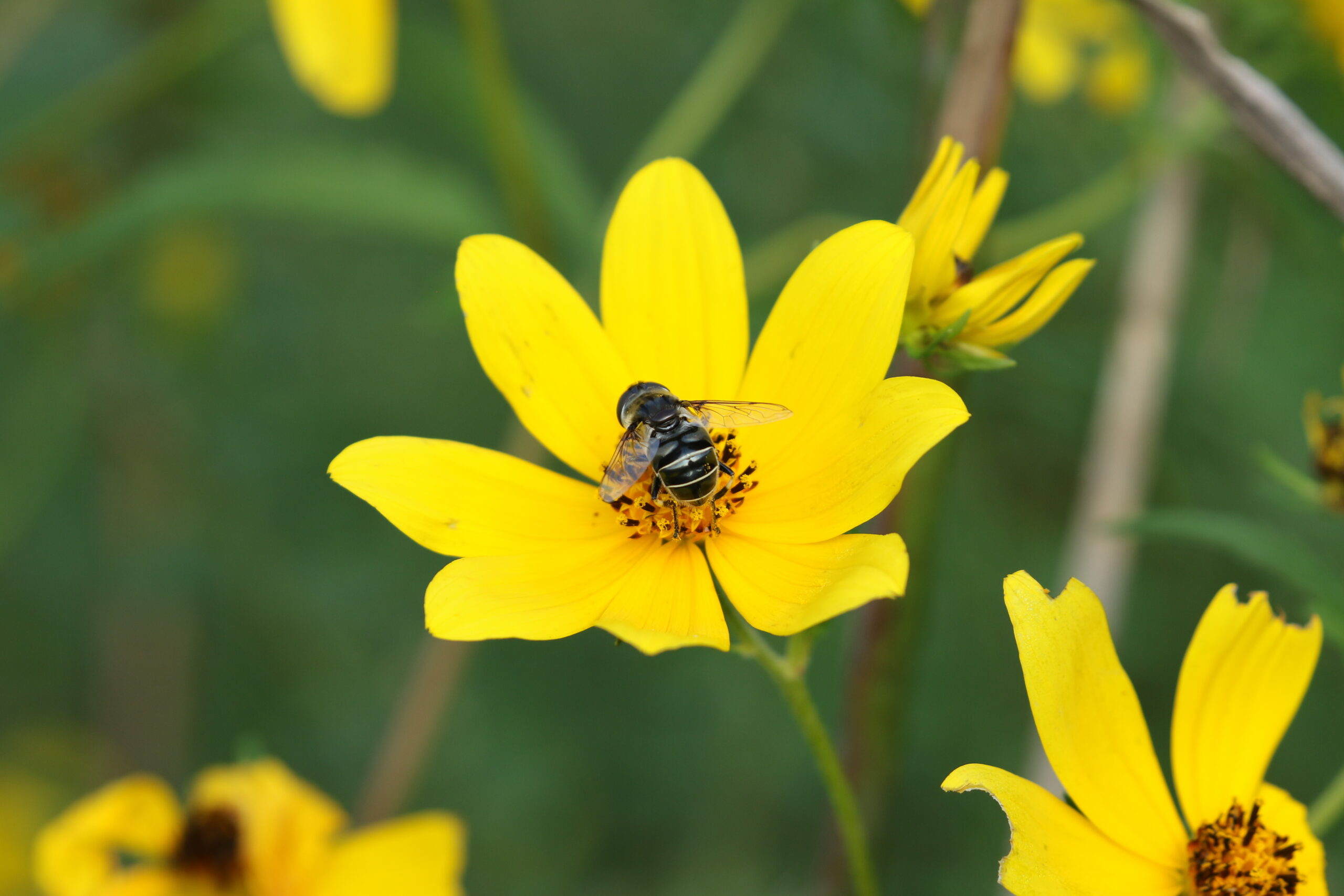
For ways to prevent collisions, see the American Bird Conservancy’s recommendations to make windows more visible (.pdf file) and Cornell Lab of Ornithology’s article, Why Birds Hit Windows.
We advocate for Lights Out using simple steps that everyone can take to create a safer and healthier environment for birds, insects, animals, plants and people.
Part Two: How to make your habitat more wildlife friendly
Creating a backyard habitat involves more than just planting natives and removing invasives. Here are some simple steps to make your yard more wildlife friendly. They are not listed in order of importance.
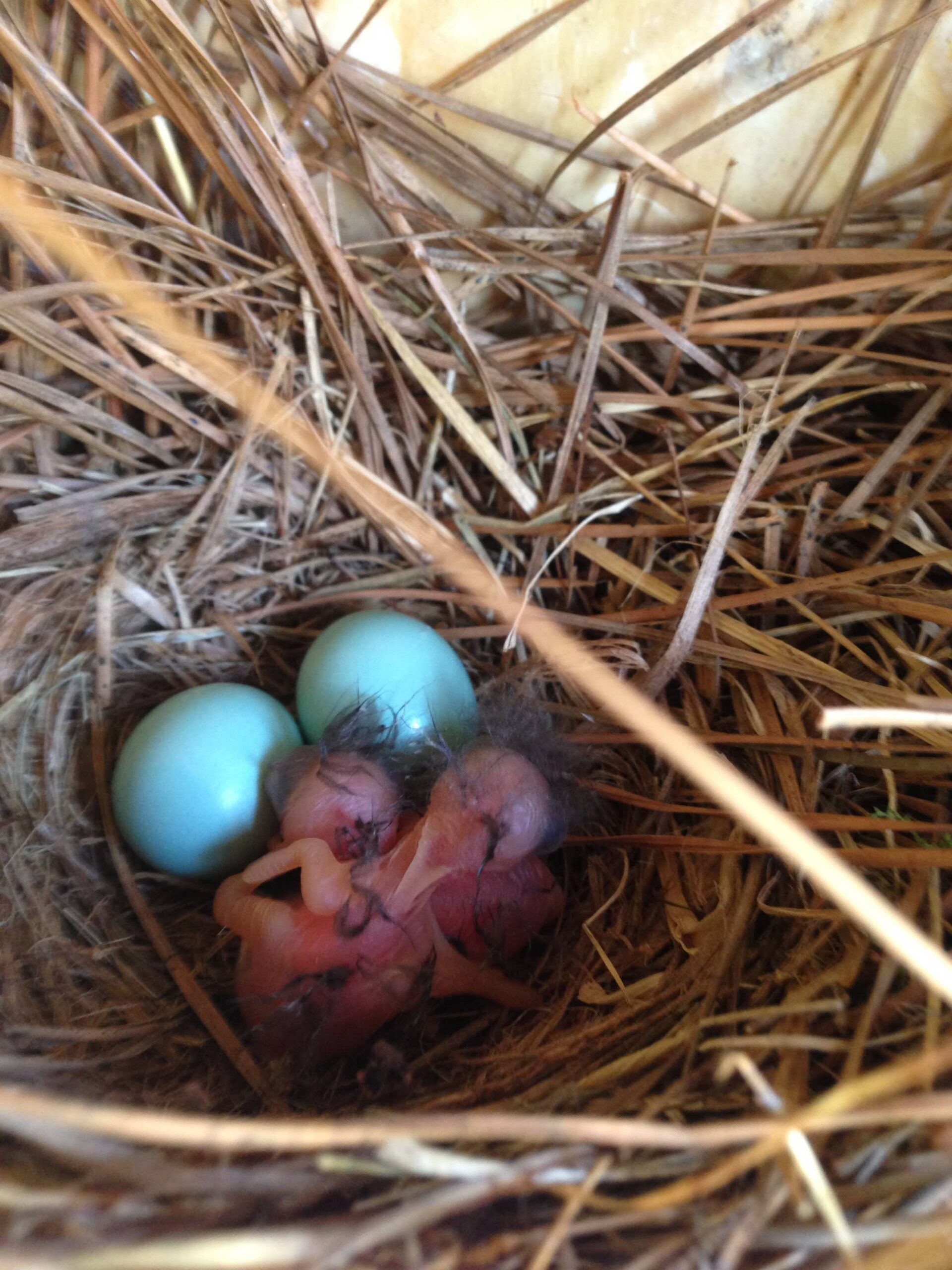
- Have a variety of nectar producing plants blooming and host plants available throughout the growing season to support pollinators. Add native plants that bloom at different times of the year to give pollinators the nectar and pollen they need as food throughout the growing season. Also use a mix of nectar and host plants. Butterflies and moths lay eggs on or near host plants so the emerging caterpillars can eat the leaves. And don’t forget the trees. Species like the native oaks host a tremendous number of caterpillars. You are growing food for the caterpillars, and the host plants will regrow the foliage that is lost. The NC Botanical Garden has created a Pollinator Toolkit to help create pollinator habitats.
- Leave the leaves for mulch, fertilizer, and insect nesting habitat. Leaves, when they fall from your trees and other plants, are nature’s way of fertilizing and mulching the vegetation in your yard and creating a healthy soil ecosystem. Mature habitats can be self-sustaining if leaves are left where they fell. Many insect larvae such as fireflies rely on leaf litter for their habitat and food and, in turn, feed the birds. The caterpillars of many moths and butterflies fall from host trees and plants and pupate in the leaf litter or in native groundcover underneath. If you don’t have enough mature trees to provide the leaves, you may be able to obtain a load of leaves for free during city leaf collection. Doug Tallamy suggests that if you have too many leaves, the solution is to create more plant beds. See the Wake Audubon website page on Leave the Leaves.
- Leave snags and nurse logs. A snag is part of a dead or dying tree left standing, and a nurse log is a fallen tree or limb left lying on the ground. A snag can provide nesting habitat for birds and beneficial insects. Some wood nesting bees use the soft wood of snags. Woodpeckers also use them to find insects. CAUTION: Only leave snags where they won’t present safety hazards when they eventually fall. A nurse log can provide nesting habitat for pollinators, a place for new plants to germinate, and a place to find insects for birds. Nurse logs are pupation sites for some caterpillars and for wood nesting bees.
- Leave plants that have died back for the winter and leave pithy stems. Try to avoid cutting down your native plants that have died back for winter and wait as far into late winter or early spring as you can. The plant tops you leave provide nesting habitat for butterfly caterpillars and other beneficial insects and, of course, provide seeds and berries for birds. The caterpillars of butterflies like monarchs will drop off herbaceous host plants (milkweeds in this case) at the end of their feeding and crawl away to other plants or structures nearby to form their chrysalises.
- Some native bees are pithy-stem nesters and will use old plant stems from the previous year to nest in. They may have several broods in stems left in the garden. Nesting stems are those that are ~1/8″ to 5/16″ in diameter and do not “squish” when you squeeze them, for example goldenrod and ironweed. During spring clean-up, it is important to leave about 12″-24″ of nesting stems when you cut these plants down to provide nesting habitat into summer, fall, and even next winter. The greenery of the plants will outgrow and hide the stems.
- Leave areas of bare ground for native bees. In addition to nesting in snags, nurse logs, and stems, a majority of native bees nest in the ground. Ground nesters prefer a small patch of bare, loose soil (not compacted clay), with a slight southerly slope. Even 2 square feet can be enough to help them. See the blog article Plant for Specialist Bees for more detail on creating habitat for native bees. Note: Yellow jacket wasps sometimes build nests in existing holes in the ground and defend their nest by swarming out and stinging. You are unlikely to be stung by ground nesting native bees.
- Have a wildlife water feature. Birds and other wildlife need a ready source of fresh water to survive, so small ponds, bird baths, water drips, etc. improve your habitat. These water sources need to be kept clean and fresh, especially bird baths. Why You Should Keep Your Birdbath Clean. Also locate bird baths out of reach of predators such as cats.

- Install eastern bluebird and brown-headed nuthatch nest boxes. These are local species of special concern due to loss of nesting habitat. The brown-headed nuthatch lives only in the Southeastern U.S. They need an entrance hole that is 1 1/8″ in diameter to keep larger birds from evicting them and taking over the nest box. Some nest boxes are more decorative than functional and can be dangerous to birds rather than helpful. For examples of well-constructed nest boxes, look at the boxes Wake Audubon sells for bluebirds and nuthatches.
- Reduce lawn areas containing non-native turfgrass to the minimum amount needed. Lawns with the typical non-native grasses such as fescue require fertilizers, herbicides, insecticides, and frequent mowing, all of which are detrimental to wildlife and the environment. Grass lawns also produce few insects for birds. Creating natural areas with native plants and leaf mulch is a much better and lower maintenance alternative.
- Healthy garden soil with leaf mulch generally needs no fertilizing. Use compost you’ve made (or purchased) to enrich the soil if needed. If you must use fertilizers, use organic options. In contrast to non-organics, they release nutrients slowly, preventing runoff of chemicals that damage streams and lakes, and they build the soil and nourish micro-organisms that are vital to soil health.
- Use electric-powered mowers, blowers, and string trimmers instead of gas. Gas powered lawn mowers, leaf blowers, and string trimmers cause air pollution. Using electric-powered lawn equipment, either battery or corded, is better for the environment. As you reduce lawn area and use leaves as mulch, the need for this equipment will be reduced and, in some cases, eliminated.