Invasive plants such as English ivy and Chinese privet are not originally from North America. They have escaped developed landscapes and now overrun native vegetation.
Many of the common plants that you see in neighborhood gardens have been imported based largely on their value as ornamental, lawn and garden plants. While some non-native plants stay within the confines of our gardens and can be used as decorative and ornamental species, they do not offer much value for wildlife. Only plant species native to our area host the insects which are an essential part of an intact and bird friendly ecosystem.
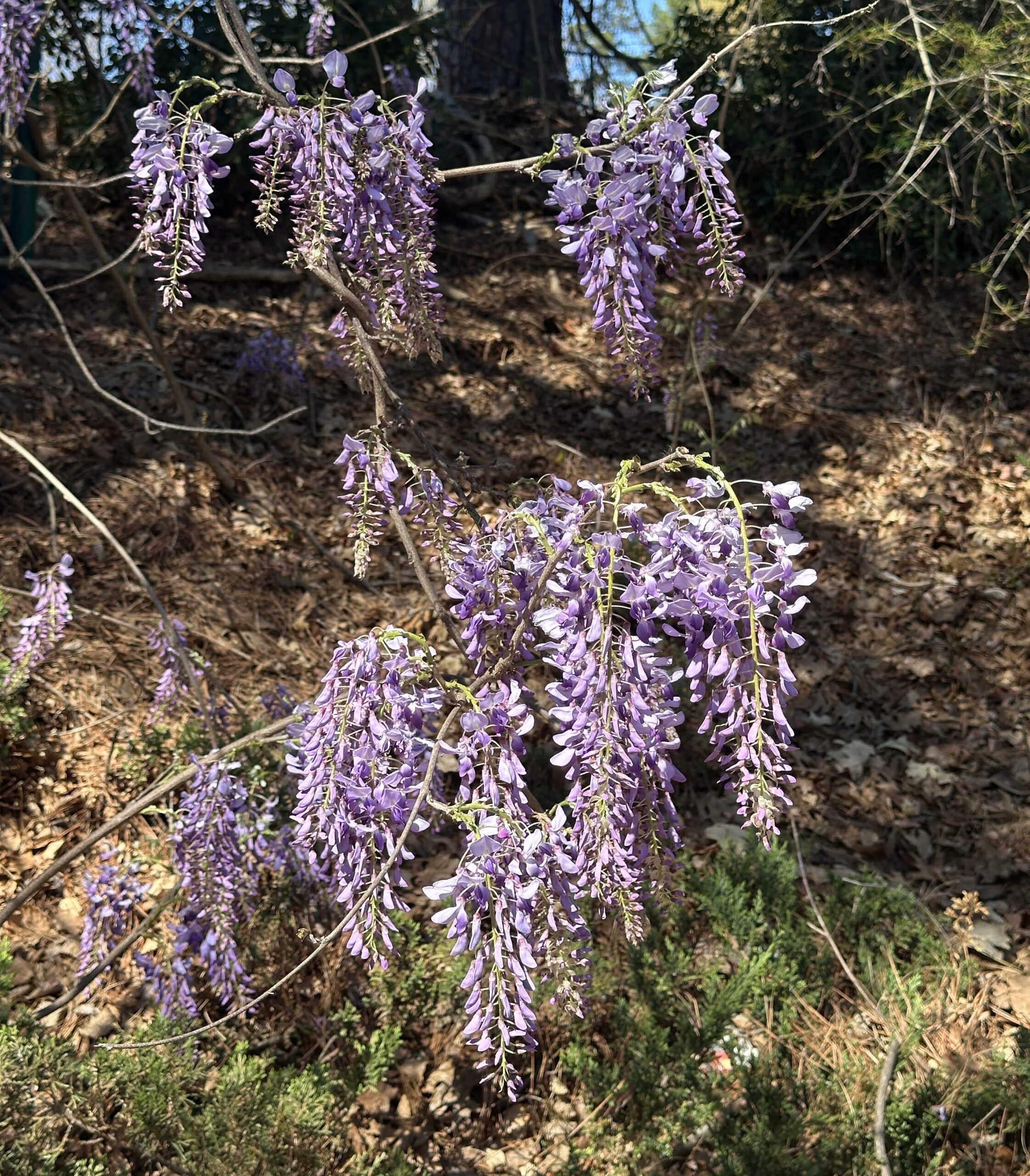
Other imported, non-native plants readily and aggressively spread outside their original boundaries displacing native plants and becoming serious threats to ecosystems such as wetlands and the wildlife that depends on them. Most people don’t even realize that commonly seen plants like Bradford Pear trees, Chinese Wisteria, Chinese Privet, Japanese Honeysuckle, and Nandina are non-native and have become serious invasive threats.
The North Carolina Botanical Garden has written a very helpful booklet, “Controlling Invasive Plants,” which Wake Audubon recommends.
The list in our brochure represents the invasive species that we have seen most often on our certification site visits. We ask that property owners remove invasives categorized as Severe or Significant Threats by the NC Invasive Plant Council to achieve Bird Friendly Habitat Certification. To be certified, invasive plants cannot cover more than 15% of the property.