


In the fall, when the leaves drop off the trees, a layer of habitat is created for insects including caterpillars during the wintertime, providing an abundance of food for pollinators and birds.
Tips for leaving your leaves
-
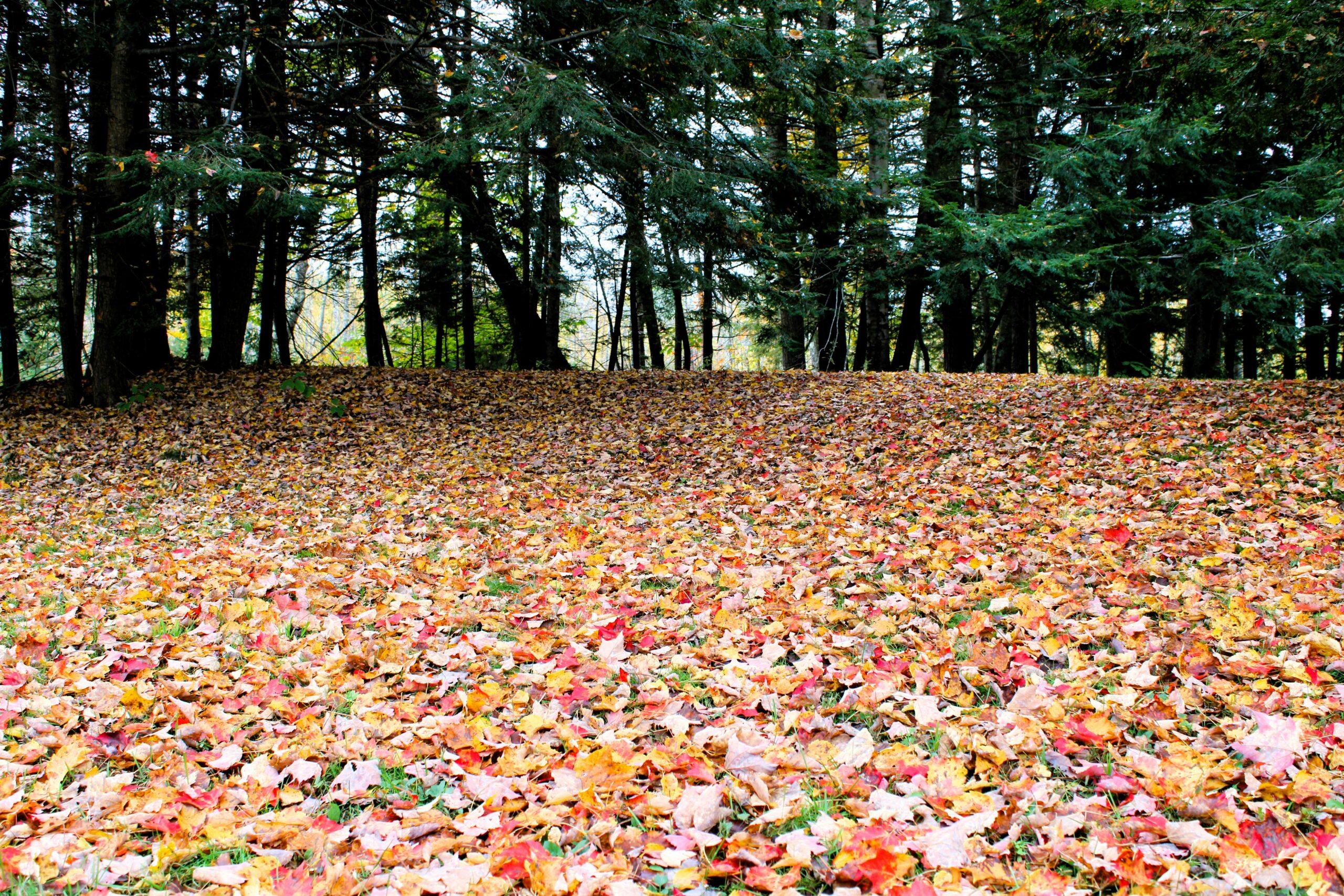
If leaves pile up, you can gently spread them out into an even layer
-
You can arrange leaves on the outsides of your yard and around tree bases to still have access lawn and beds
-
Old plant stems are great for queen bees to overwinter so you can leave those, too
-
A thick layer is ok, especially in flower beds, because leaves will decompose, reduce in size, and provide nutrients
Take the Pledge!
By taking the pledge, you agree to leave your leaves in order to create habitat for insects, caterpillars, and other animals that use leaf litter for their homes; reduce stormwater runoff; improve your soil; reduce noise and pollution; and save money for you and your town or city.

Won’t the leaves pile up?
Leaves will decompose over the winter. They can be gently spread around the yard, along the edges of the yard, and you can create a nice layer in flower and vegetable beds If you cannot leave all of your leaves, you can mulch some of them with a mower or compost them to improve the soil, but this will destroy the pollinator and caterpillar habitat benefits.
Do you live in the City of Raleigh?
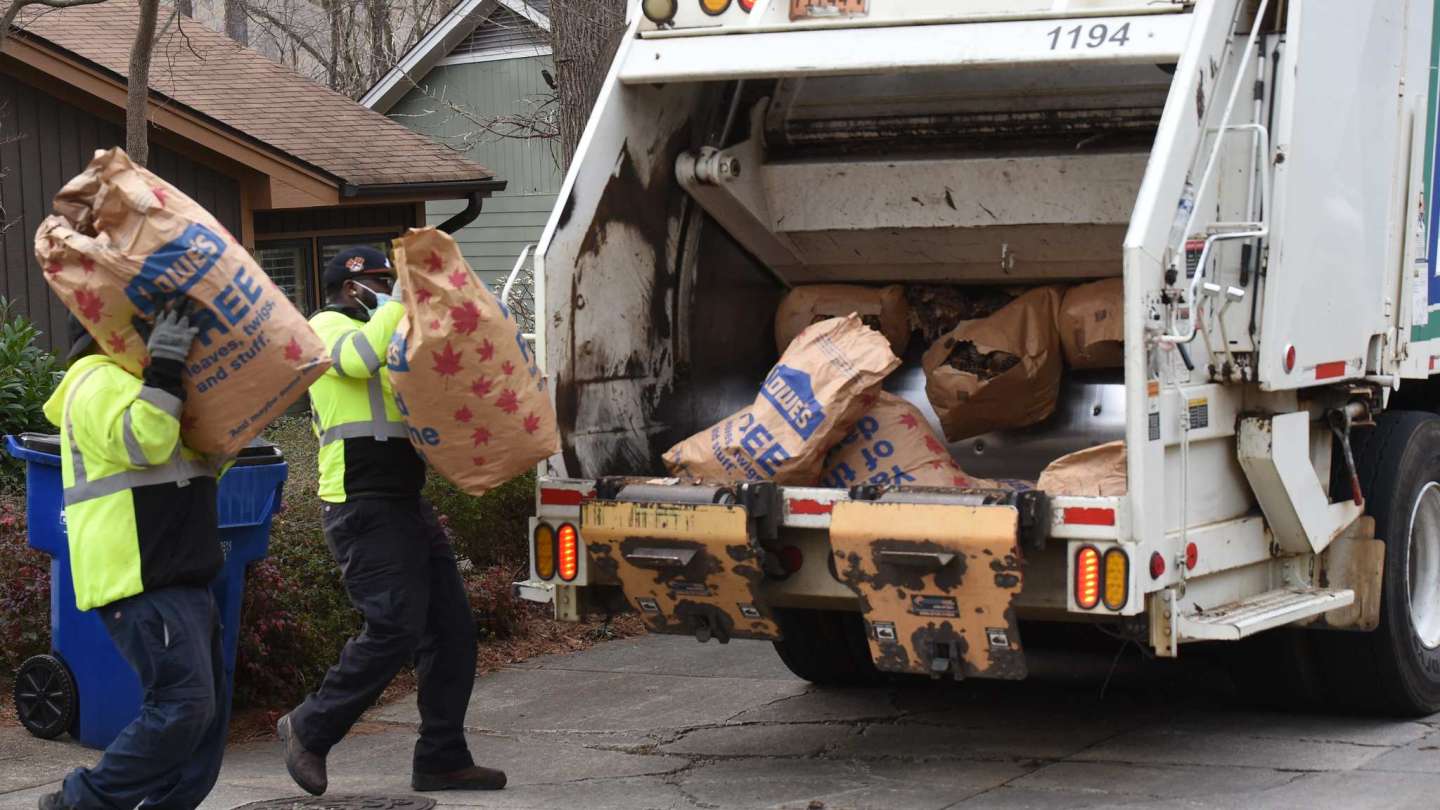
The seasonal loose leaf collection service will end in 2026! Instead, you can put leaves into yard waste (which will be collected every week), bag them in a compostable leaf bag, or… leave them in your yard.
Did you know that the amount of leaves collected in 2024 was over 60,000 cubic yards; that could fill Carter Finley stadium up to the goal posts (35 feet high). An incredible amount of employee time, energy to power the trucks, and space to hold the leaves is required each season.
Benefits for Soil and Plants
- Natural Mulch: Fallen leaves act as a natural mulch, suppressing weeds and retaining moisture in the soil.
- Soil Enrichment: As leaves decompose, they release nutrients back into the soil, improving its fertility and structure.
- Reduced Need for Fertilizers: By leaving leaves, you reduce the need for synthetic fertilizers, which can pollute waterways and harm beneficial soil organisms.
- Improved Water Retention: Leaf litter helps the soil retain moisture, which is beneficial for plant growth, especially during dry periods.
- Protection from Extreme Temperatures: The leaf layer can help protect tree roots from extreme temperatures, both hot and cold.
Benefits for Wildlife
- Wildlife Habitat: Fallen leaves provide shelter and food for a variety of wildlife, including insects, amphibians, reptiles, and small mammals.
- Overwintering Habitat: Many insects and other small creatures rely on leaf litter for shelter during the winter months.
- Shelter: Several species of butterflies and moths lay their eggs and/or cocoon in leaf litter.
- Food Source: Leaf litter can be a food source for various wildlife, including birds and other animals that feed on the insects and other creatures that live in it.
Environmental Benefits
- Reduced Pollution: Leaf blowers and other equipment used to remove leaves can produce air pollution and noise pollution.
- Reduced Landfill Waste: Leaving leaves in place prevents them from ending up in landfills, where they produce methane gas, a potent greenhouse gas.
- Improved Water Quality: By reducing the need for chemical fertilizers, leaving leaves helps to protect water quality
For further information, check out the links below
Our Partners